Shure MV7+ USB-C & XLR Podcast Dynamic Microphone - Black: Is It Worth Buying?
Rating shown is the Amazon customer average, not our own score.

The Shure MV7+ is a dual USB-C/XLR dynamic microphone built for podcasting, streaming, and gaming, with onboard processing to clean up audio before it reaches your recording software. It suits creators who want a plug-and-play start with room to grow into a full XLR studio setup.
Check the live price on Amazon
We may earn a commission at no extra cost to you.
What stands out
- Dual USB-C and XLR outputs for flexible setups
- Auto Level Mode and real-time denoising simplify clean audio
- Built-in reverb effects without extra software
- LED touch panel with tap-to-mute and level monitoring
- Rated 4.6/5 across 1043 Amazon ratings
- Includes foam windscreen and USB-C cable
Trade-offs to know
- Touch panel controls only, no physical gain dial
- Full XLR benefits require a separate audio interface
- Listed compatibility centers on PC, not confirmed for mobile
Key Specifications
| Recommended Uses For Product | Podcasting, Gaming, Streaming, Recording |
|---|---|
| Brand | Shure |
| Model Name | MV7+-K |
| Connectivity Technology | USB, XLR |
| Connector Type | USB-C, XLR |
| Special Feature | LED Light, Mute Function |
| Compatible Devices | Personal Computer, Windows 10, macOS 12 |
| Color | Black |
| Included Components | Foam Windscreen, 3m USB-C to USB-C Cable |
| Polar Pattern | Unidirectional |
| Connectivity | USB, XLR |
Who It's For
The spec sheet points to a microphone designed to do work upstream of your software. Auto Level Mode adjusts gain based on your distance and volume, and the real-time denoiser strips background noise as you record, which matters most for anyone recording in a untreated room or shared space. The LED touch panel adds real-time level monitoring and tap-to-mute, useful for anyone on camera or on video calls where reaching for a physical mute switch is awkward. Built-in reverb modes (Plate, Hall, Studio) let you shape vocal tone without opening a DAW.
The dual USB-C and XLR outputs are the core flexibility play here. You can start on USB-C for plug-and-play recording straight into a laptop, then move to XLR once you add an audio interface or mixer, without buying a second microphone. That makes it a reasonable long-term purchase for someone building out a podcast or stream setup in stages rather than all at once.
This is a clear fit for podcasters, streamers, and gamers who want consistent, cleaned-up audio without learning noise gates and compressors, and who like having visual feedback and mute control built into the mic itself. It also suits anyone on camera who wants the microphone itself to look intentional, given the customizable LED panel.
If you already own an audio interface with clean preamps and prefer shaping your sound entirely in software, the onboard processing here may be redundant for you, and a simpler XLR-only dynamic mic could serve just as well for less complexity. Buyers who want physical gain knobs rather than touch controls should also look elsewhere, since the MV7+ leans on its touch panel for adjustments. The listed compatibility covers Windows 10 and macOS 12 on a personal computer, so confirm your specific device and OS before assuming mobile plug-and-play.
Bottom Line
The MV7+ fits podcasters, streamers, and gamers who want built-in noise cleanup and mute control without extra software, and who value the option to upgrade from USB to XLR later. Skip it if you already run a clean interface setup or prefer physical knobs over touch controls.
This guide is compiled from manufacturer specifications and aggregated customer feedback on Amazon, with AI assistance in drafting. We have not personally tested every product listed. Prices and availability change frequently — always confirm on Amazon before buying.
Compared in these guides
See how this stacks up against the alternatives.
More Audio & Headphones Guides

MAONO PD200W Hybrid Wireless Podcast Microphone for PC, Dynamic XLR USB Mic
The MAONO PD200W is a dynamic microphone that switches between wireless, USB, and XLR connections, built for podcasters and streamers who want one mic that adapts to different setups.

LIANGSTAR USB Computer Microphone, Podcast Mic Desktop with Mute Button for Recording Streaming, Omnidirectional Condenser, Plug&Play Stand with Volume Control for PC, Laptop, Mac, YouTube
A plug-and-play USB condenser mic with a mute button and 360-degree pickup, built for casual streaming, gaming chat, and video calls rather than professional recording.
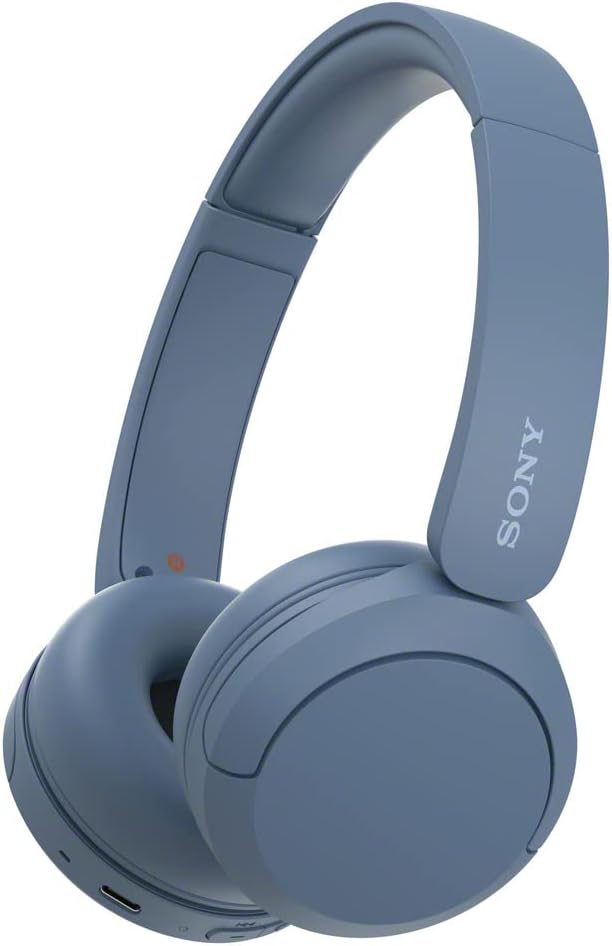
Sony WH-CH520 Wireless On-Ear Bluetooth Headphones with Microphone, Blue
The Sony WH-CH520 is a lightweight on-ear Bluetooth headphone built for long battery life over premium sound. It suits anyone who wants dependable all-day wear and multi-day charge intervals without spending a lot.

Samsung Galaxy Buds 4 Pro (2026) AI True Wireless Bluetooth Earbuds, Black
A true wireless earbud built around Samsung's Hi-Res audio codec and adaptive ANC, with AI features that only unlock when paired with a Galaxy S26 series phone. Best suited to Galaxy S26 owners who want tighter software integration, not a universal earbud pick.